
What Happens to Flowers When They Are Preserved in Resin?
If you’ve been looking into flower preservation, you may be wondering what actually happens to your flowers once they’re placed in resin — and whether they’ll still look the same as they did on your wedding day or another special occasion.
Preserving flowers in resin is a beautiful way to turn meaningful blooms into a keepsake that can be displayed and treasured for years. But there is quite a bit that happens between receiving a fresh bouquet and creating the finished piece.
At Really Resin, every arrangement is preserved by hand in Liverpool, from drying and preparing the flowers through to arranging, casting and finishing the resin.
Here’s what happens along the way.
First, the flowers need to be completely dried
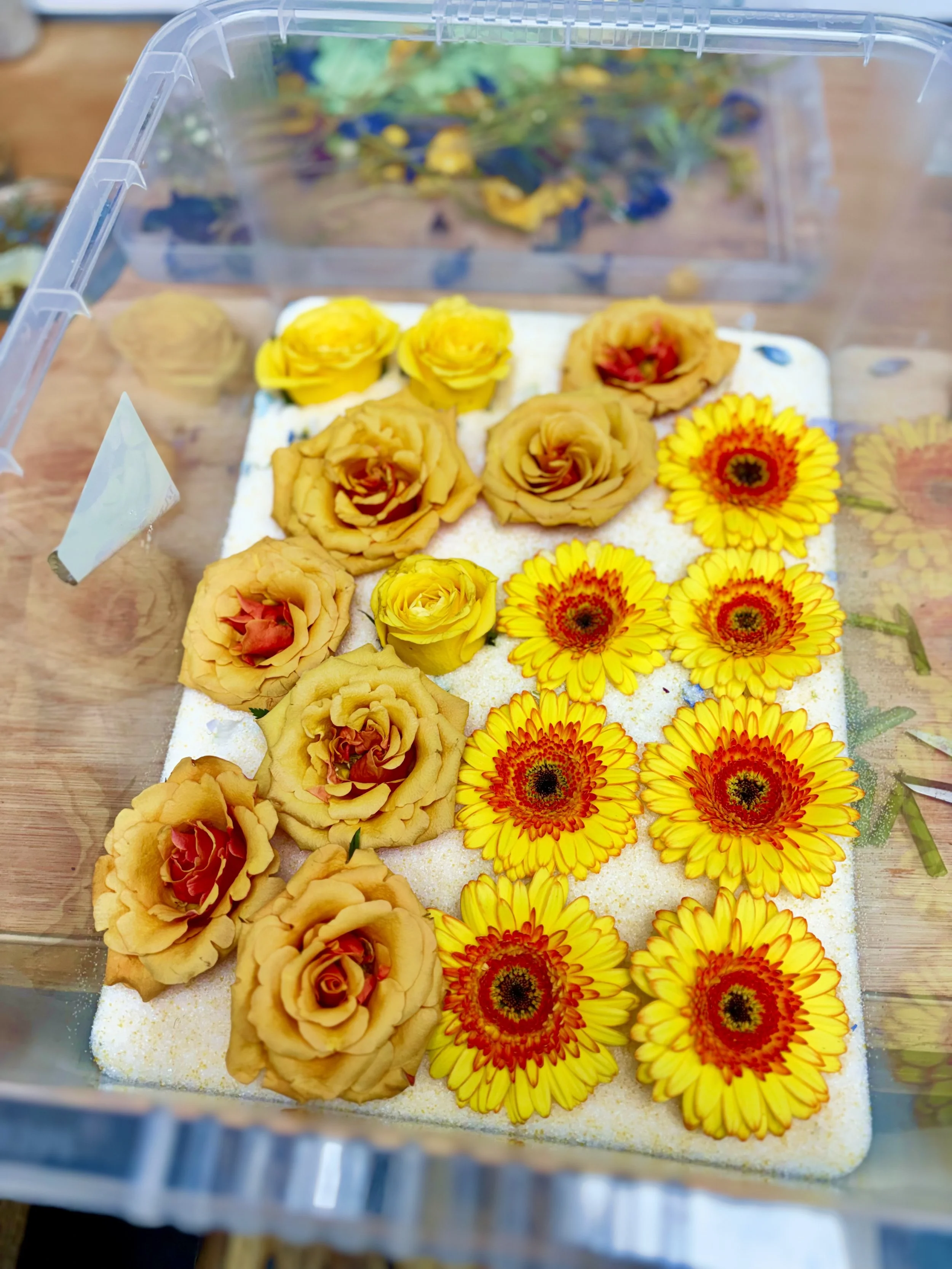
Fresh flowers can’t simply be placed straight into resin.
Flowers naturally contain moisture, and trapping that moisture inside resin can cause problems including cloudiness, discolouration and deterioration over time.
Before any resin work begins, the flowers therefore need to be thoroughly dried.
At Really Resin, we professionally dry flowers for approximately 3–4 weeks, depending on the varieties, size and condition of the flowers when they arrive.
Different flowers dry at different rates, so this part of the process can’t be rushed.
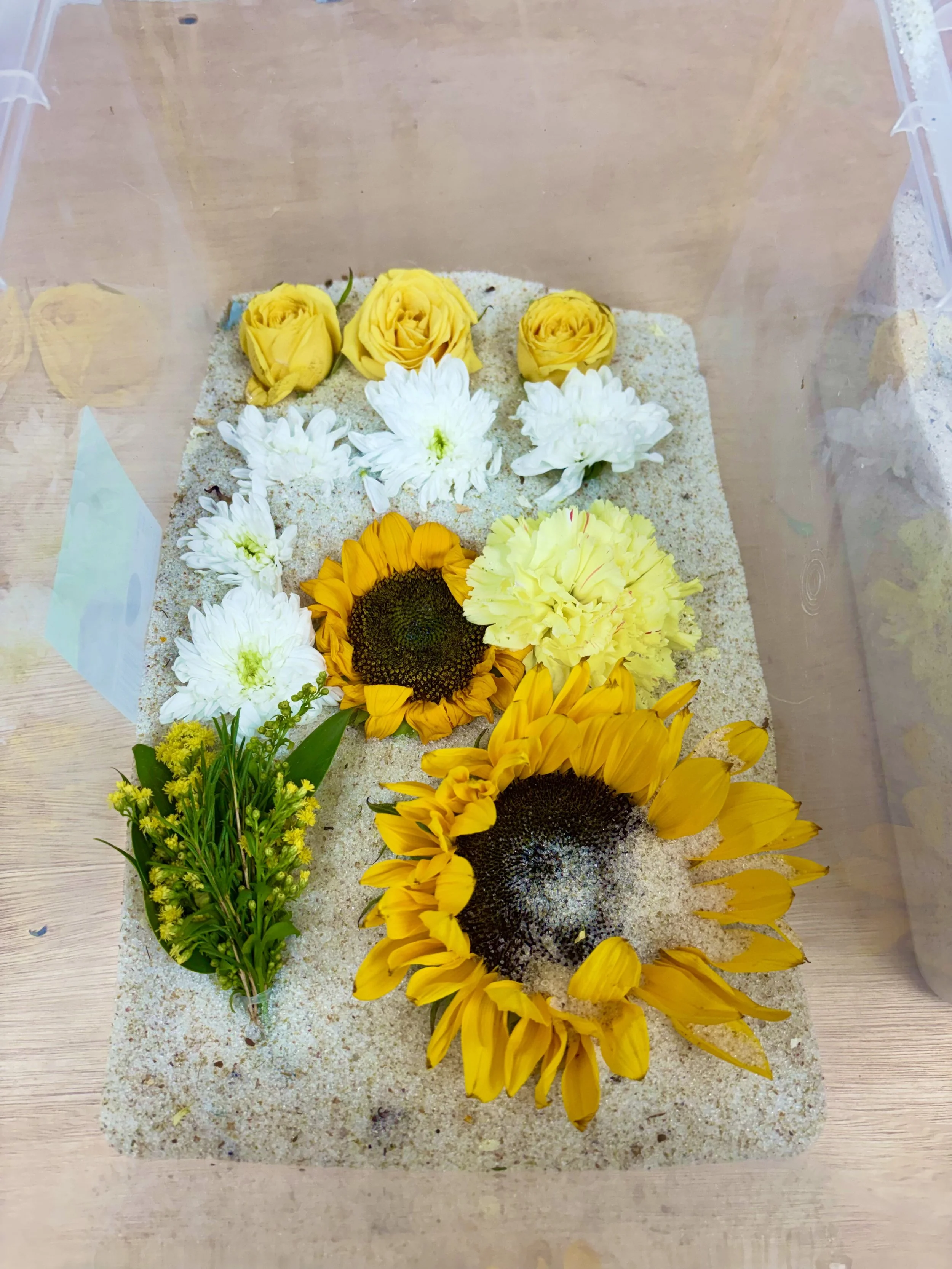
INTERNAL LINK:Read our guide: How to Dry Flowers for Resin Preservation
Do flowers change colour when they’re dried?
Yes — and this is completely natural.
One of the most important things to understand about flower preservation is that preserved flowers won’t always remain exactly the same colour as when they were fresh.
Some flowers retain their colour particularly well, while others can become darker, lighter or develop a slightly different tone during drying.
White and very pale flowers can take on cream, ivory or warmer tones. Reds and deep pinks can become darker, while some foliage may change shade as moisture is removed.
This isn’t necessarily a flaw in the preservation process. It’s part of working with real, natural flowers.
And it’s one of the things that makes every preserved bouquet completely unique.
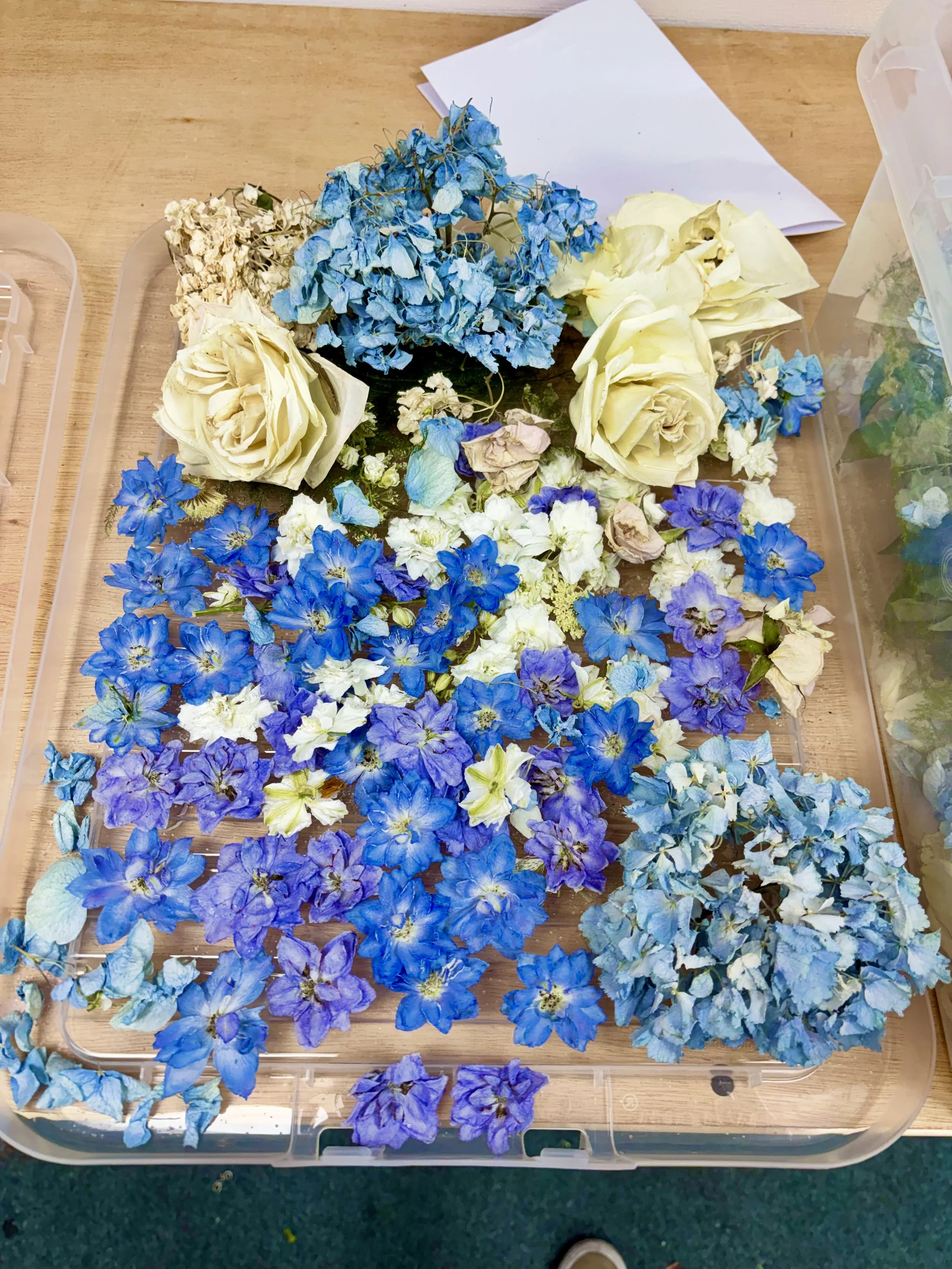
The flowers are carefully arranged by hand
Once completely dry, the flowers are ready to be arranged.
This is one of my favourite parts of the process because it’s where the finished keepsake really begins to take shape.
Rather than simply filling a mould with flowers, I look at the individual blooms, colours, shapes and greenery and work out an arrangement that suits both the flowers and the keepsake you’ve chosen.
For wedding bouquets, I often try to retain the overall character and colour palette of the original bouquet rather than attempting to recreate it literally inside a much smaller space.
For funeral and memorial flowers, particular blooms or pieces of foliage can be given prominence if they hold special significance.
Where possible, I’ll also work with you if there’s a particular flower you’d especially like included.
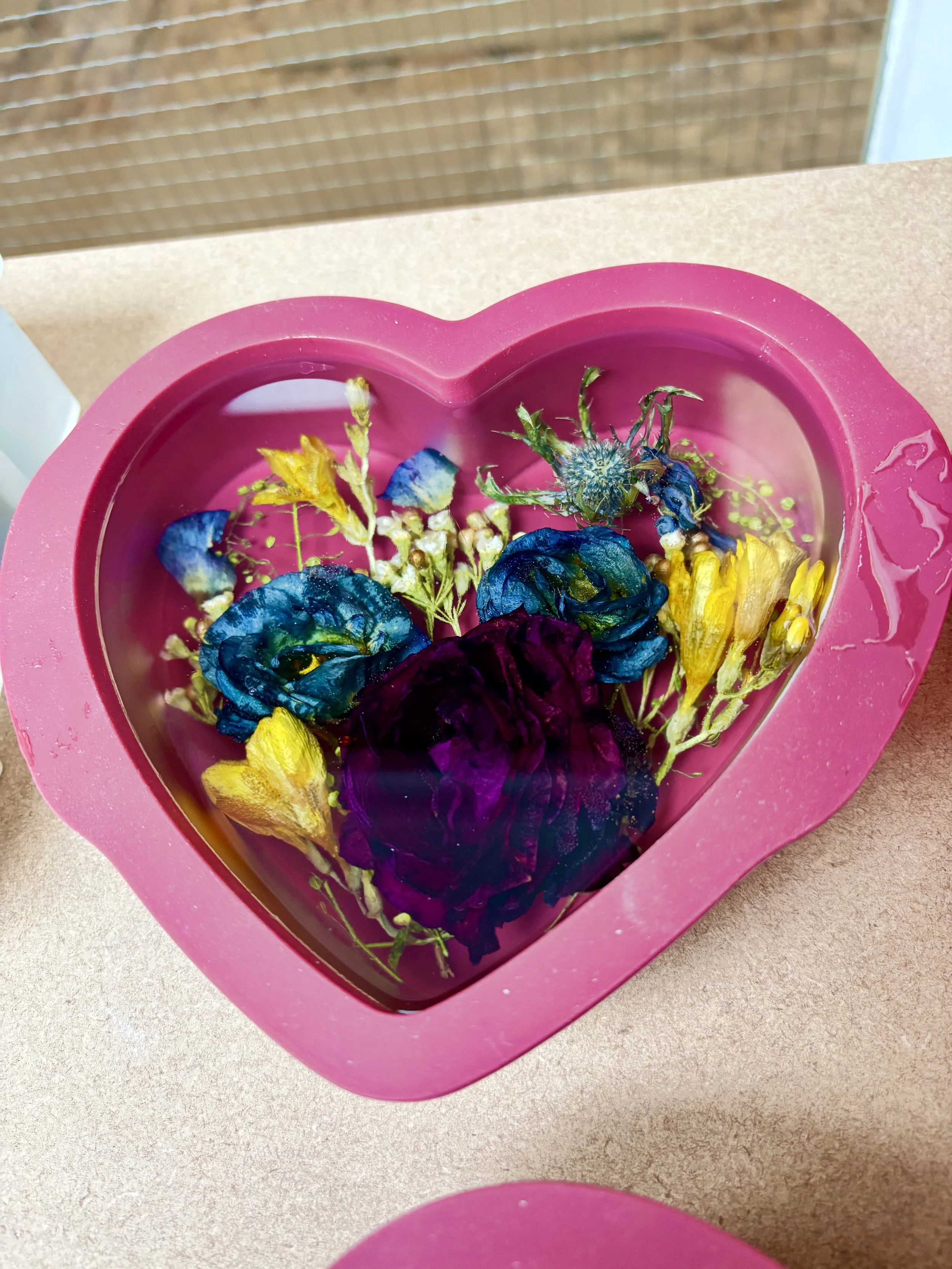
The flowers are encapsulated in clear resin
Once the arrangement has been decided, the flowers can begin their journey into resin.
The resin is poured carefully around the dried flowers, encapsulating them inside the piece.
For deeper flower preservation pieces, this may involve multiple stages rather than simply filling the entire mould in one go.
The goal is to create a clear finished piece that allows you to see the flowers from different angles while keeping the arrangement securely preserved inside.
Because resin work is handmade, tiny natural variations can occur — just as they do with the flowers themselves.
What do flowers look like once they’re inside resin?
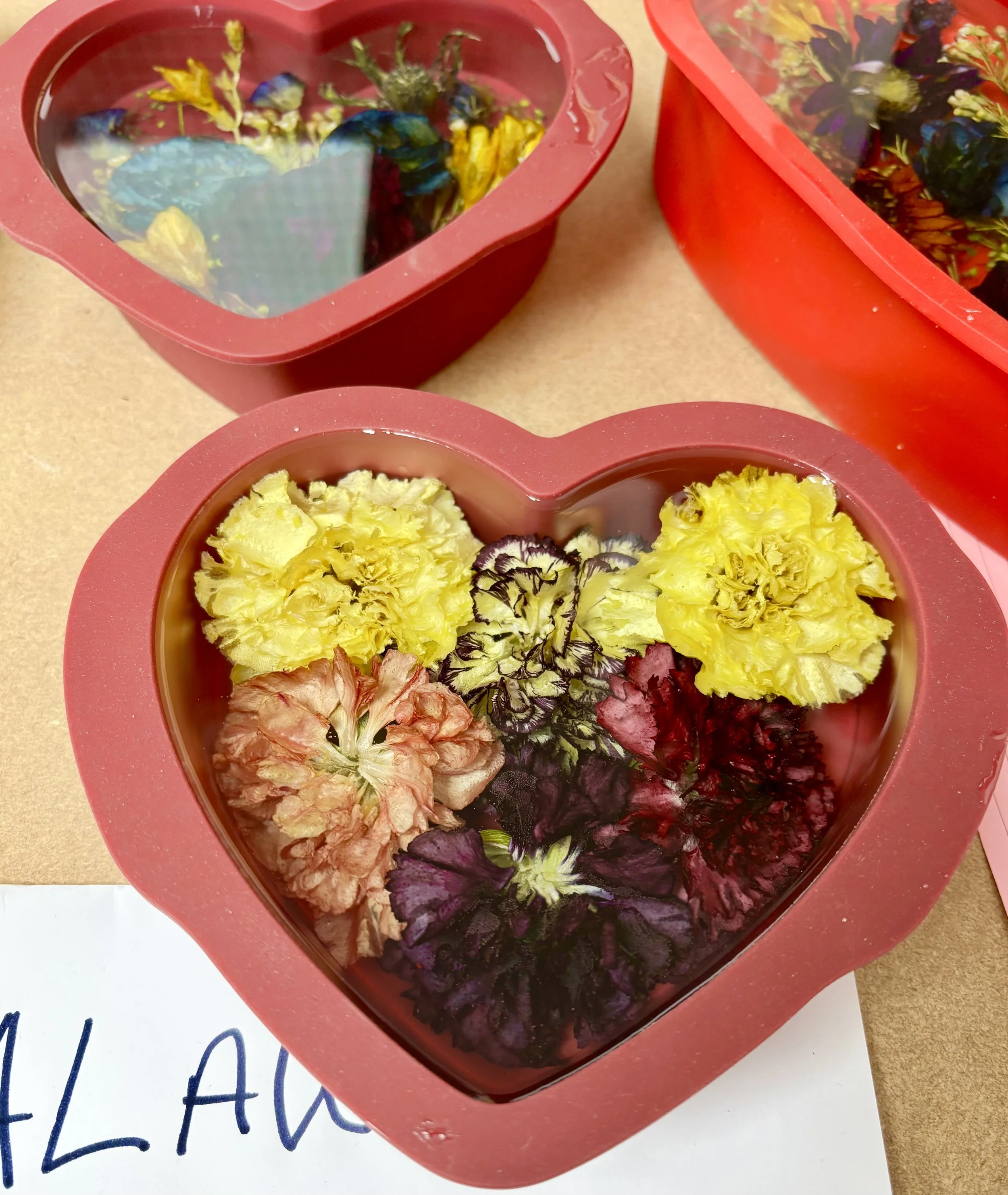
Resin can change the appearance of dried flowers slightly.
Colours can appear deeper or more saturated once they’re encapsulated, and delicate or translucent petals may look different once surrounded by clear resin.
The finished effect can be quite striking because the resin adds depth around the flowers, allowing you to see details within the arrangement that might otherwise be difficult to notice.
Larger pieces such as hearts, blocks, hexagons and cubes can create an almost three-dimensional view of the original flowers.
The piece isn’t finished when it comes out of the mould
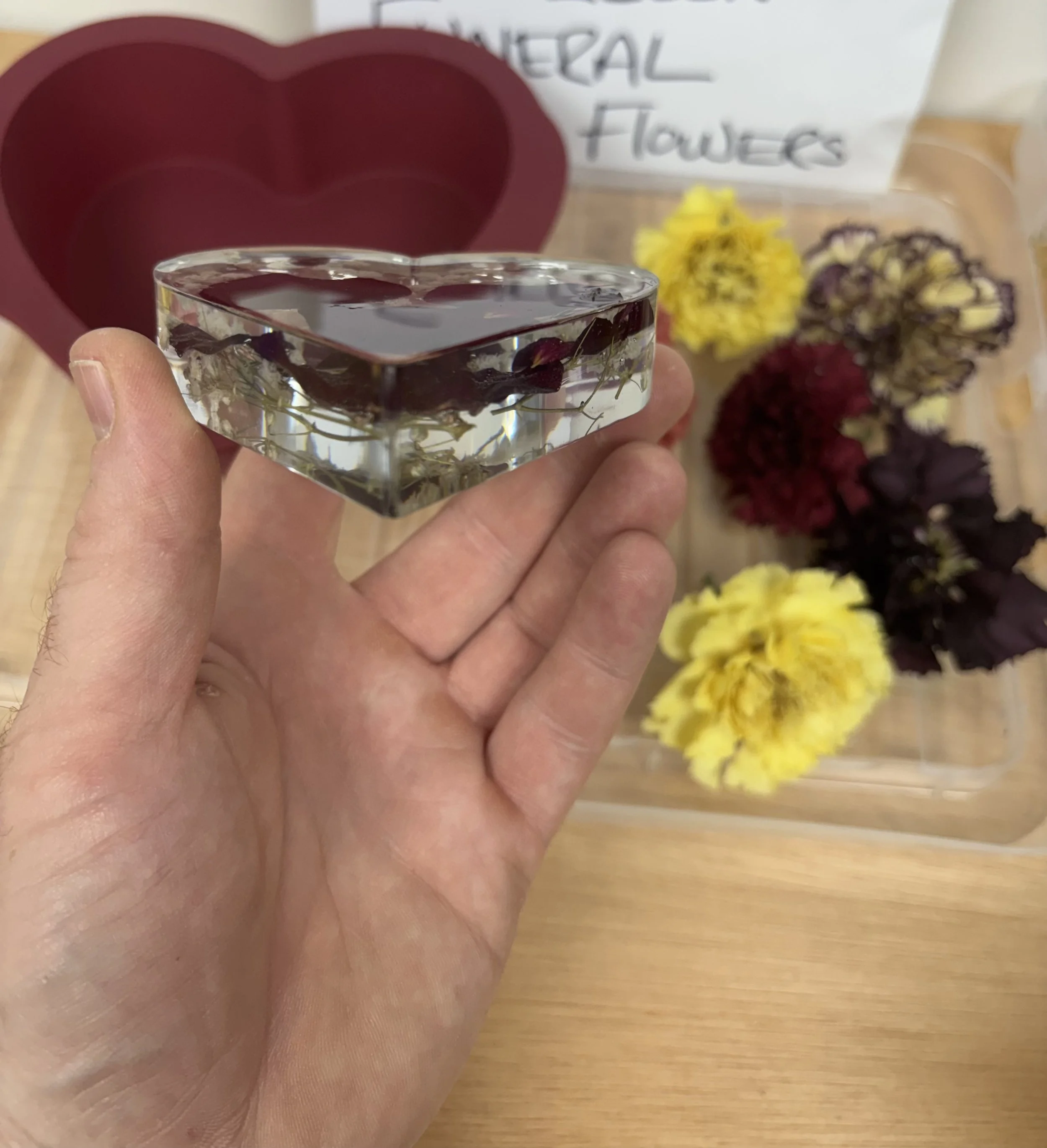
This is something people don’t always realise.
When a flower preservation piece first comes out of its mould, it isn’t necessarily the finished product.
Depending on the design, the piece may still need to be sanded, smoothed, polished or given a final clear resin coating.
These finishing stages are what help achieve the smooth, glossy and polished appearance you see in photographs of completed resin keepsakes.
So if you ever see a photograph of resin work still sitting in its mould, don’t judge it against the finished pieces just yet!
How long does resin flower preservation take?
Flower preservation isn’t a quick process.
The flowers alone generally need around 3–4 weeks to dry properly, after which the arrangement, resin casting, curing and finishing stages can begin.
The exact timescale varies depending on the flowers and the type of keepsake being created.
At Really Resin, I’d always rather allow the necessary time for a piece to be made properly than rush something containing flowers that can’t simply be replaced.
Which flowers can be preserved in resin?
Many different flowers can be preserved successfully, including:
Roses
Peonies
Carnations
Gypsophila
Delphiniums
Hydrangeas
Daisies
Smaller wildflowers
Selected foliage and greenery
However, different flowers behave differently when dried and preserved.
Their size also matters.
A large rose or peony, for example, requires a deeper keepsake than small petals or gypsophila. That’s why I often recommend choosing your keepsake after I’ve seen the flowers if you’re unsure what will work.
Can wedding flowers be preserved in resin?
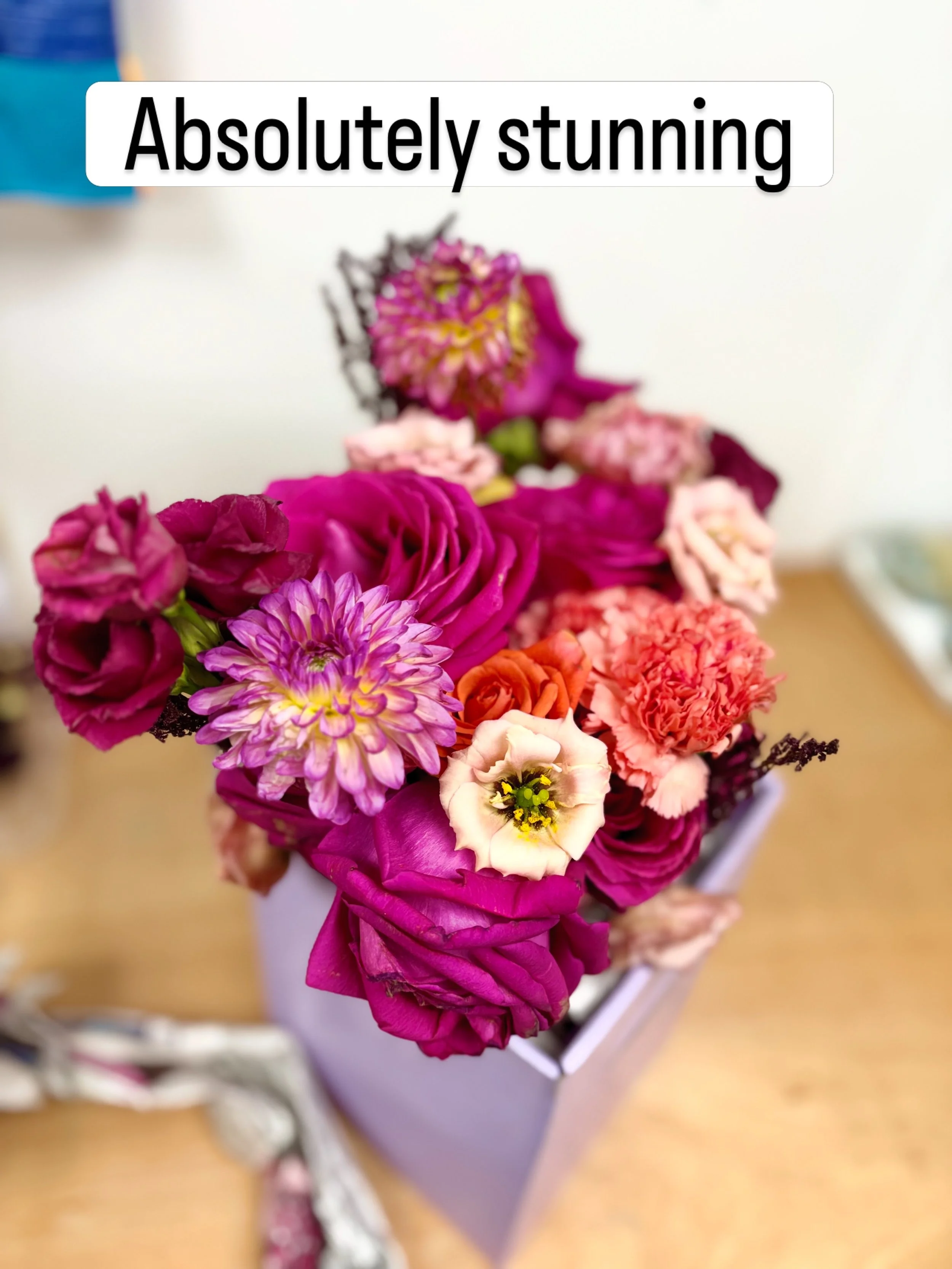
Absolutely.
Wedding bouquets are one of the most popular types of flowers I preserve.
Depending on the bouquet, flowers can be incorporated into larger statement pieces such as hearts, blocks and hexagons, as well as smaller keepsakes including coasters, mini hearts and jewellery.
It’s also possible to use one bouquet to create several pieces — perhaps one main keepsake for the couple alongside smaller pieces for parents or other family members.
Can funeral flowers be preserved too?
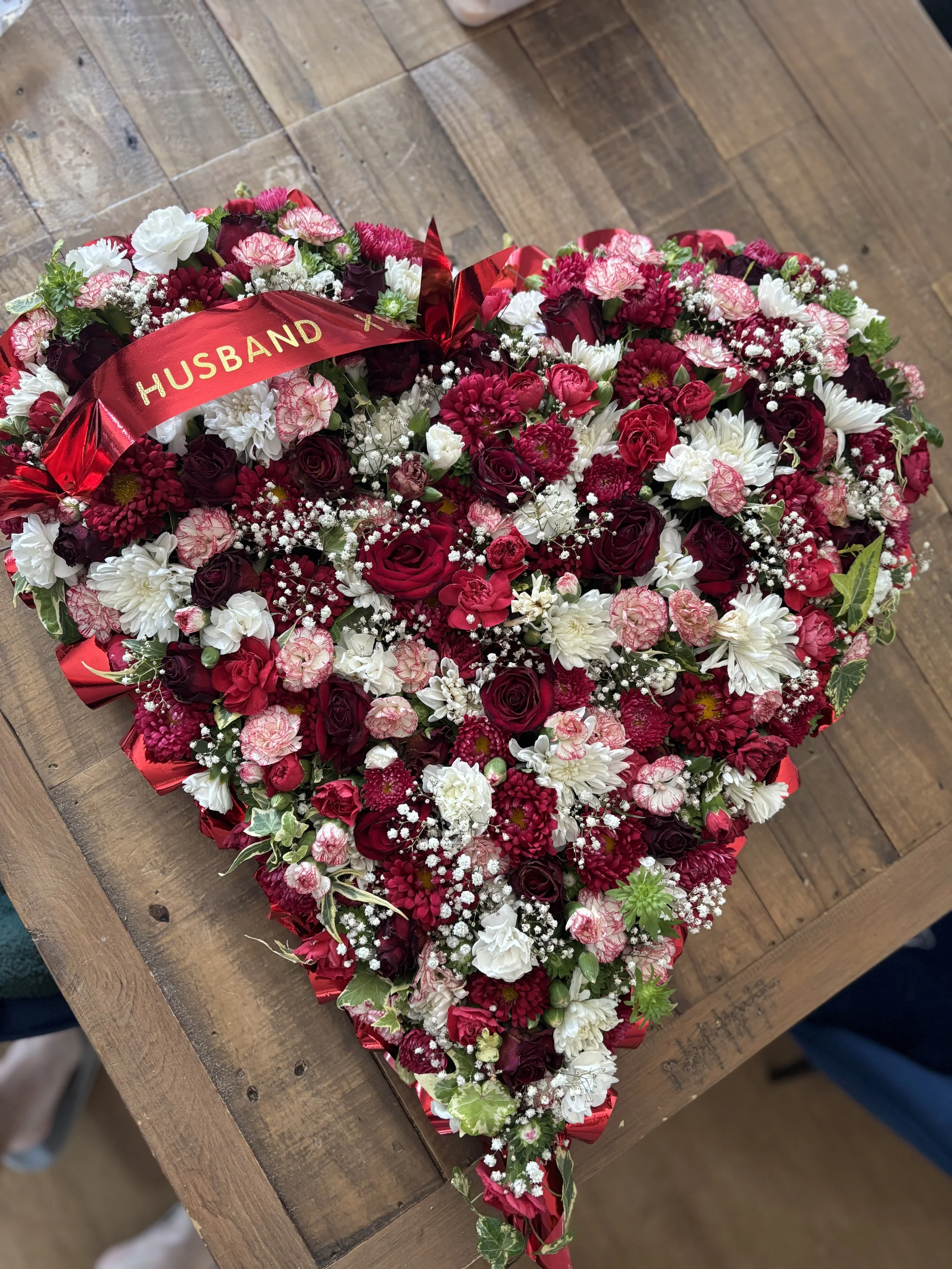
Yes.
Funeral and memorial flowers can be preserved in exactly the same way, creating something permanent from flowers connected to someone important.
These pieces can be kept relatively simple with one meaningful flower, or several flowers can be incorporated into a larger arrangement.
I understand that these flowers can carry enormous sentimental value, so they’re handled carefully throughout the drying and preservation process.
Thinking about preserving your flowers?
You don’t need to know exactly what you’d like made before getting in touch.
If your flowers are fresh, the most important thing is getting them to me while they’re still in the best possible condition. Once I’ve seen them, I can help you decide which keepsakes will work best with the flowers you have and your budget.
Really Resin is based in Liverpool, with flowers accepted from customers throughout the UK by post.