How to dry flowers and foliage
Long gone are the days of dusty dried floral arrangements sitting forgotten on the mantelpiece. Dried flowers are firmly back in fashion — and they’re here to stay.
Whether you’re drying flowers to preserve them in resin, create artwork, or simply display them beautifully in your home, there are several effective methods you can try at home. Some are incredibly simple, require no specialist equipment, and deliver fantastic results.
Below are a few tried-and-tested flower drying techniques you can use yourself.
Techniques You Can Try at Home
Air Drying Flowers
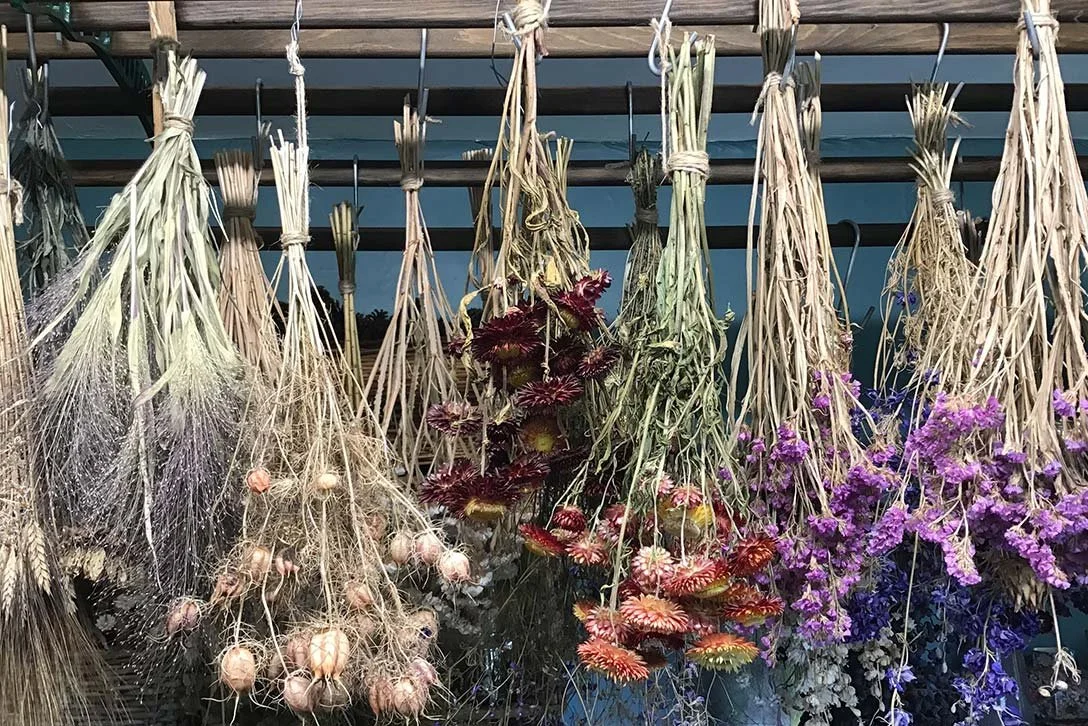
Air drying is one of the easiest and most accessible ways to dry flowers at home. It requires no specialist equipment and is my personal preferred method.
How to air dry flowers:
Lay your bouquet out and separate the stems. This makes it easier to access all leaves and remove any dead or damaged flowers.
Trim off excess leaves and foliage from the stems. (You can keep and dry these separately if you wish.)
Tie the stems together using a rubber band.
Hang the flowers upside down in a dry area with low light and good airflow.
Check regularly for signs of mould, which can occur due to moisture or humidity. If needed, move them to a better-ventilated space and remove any affected stems immediately.
Most flowers will be ready to use within 2–3 weeks, although some varieties — especially larger rose heads — can take a little longer depending on their moisture content.
This method allows you to keep an eye on progress, reducing the risk of unpleasant surprises later on.
Drying Flowers with Silica Gel
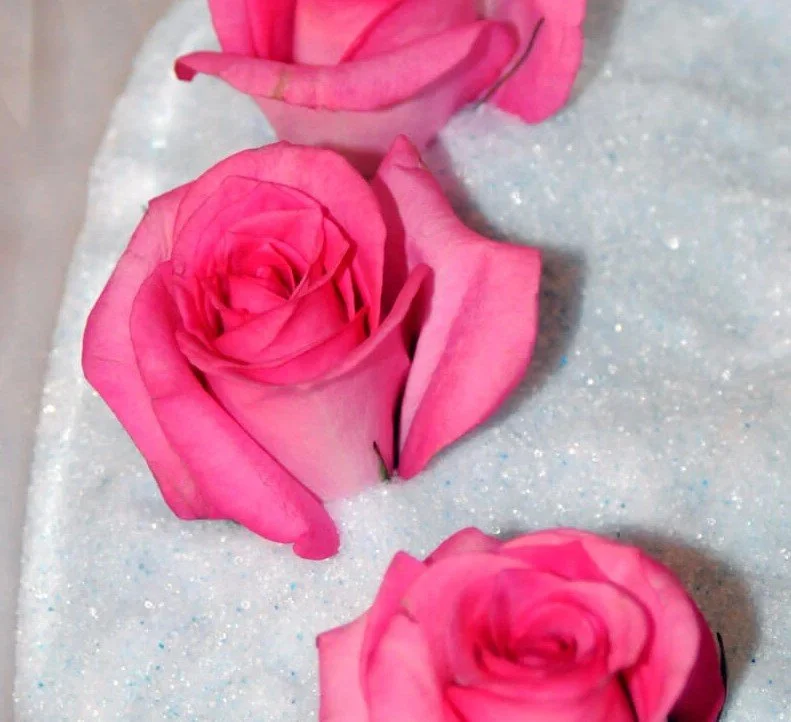
Silica gel is a great option if you want to preserve the shape of your flowers more accurately. However, it’s important to note that most flowers will still change colour slightly during drying — this is completely natural, and even flowers of the same species can dry differently.
Pros of silica gel:
Helps retain flower shape
Can be reused multiple times once dried out
Cons to consider:
Initial cost can be high
Crystals often get stuck inside flower heads
Time-consuming and messy when drying large quantities
I’ve used silica gel in the past, but for frequent flower drying it can become costly and labour-intensive to maintain.
Pressed Flower Method
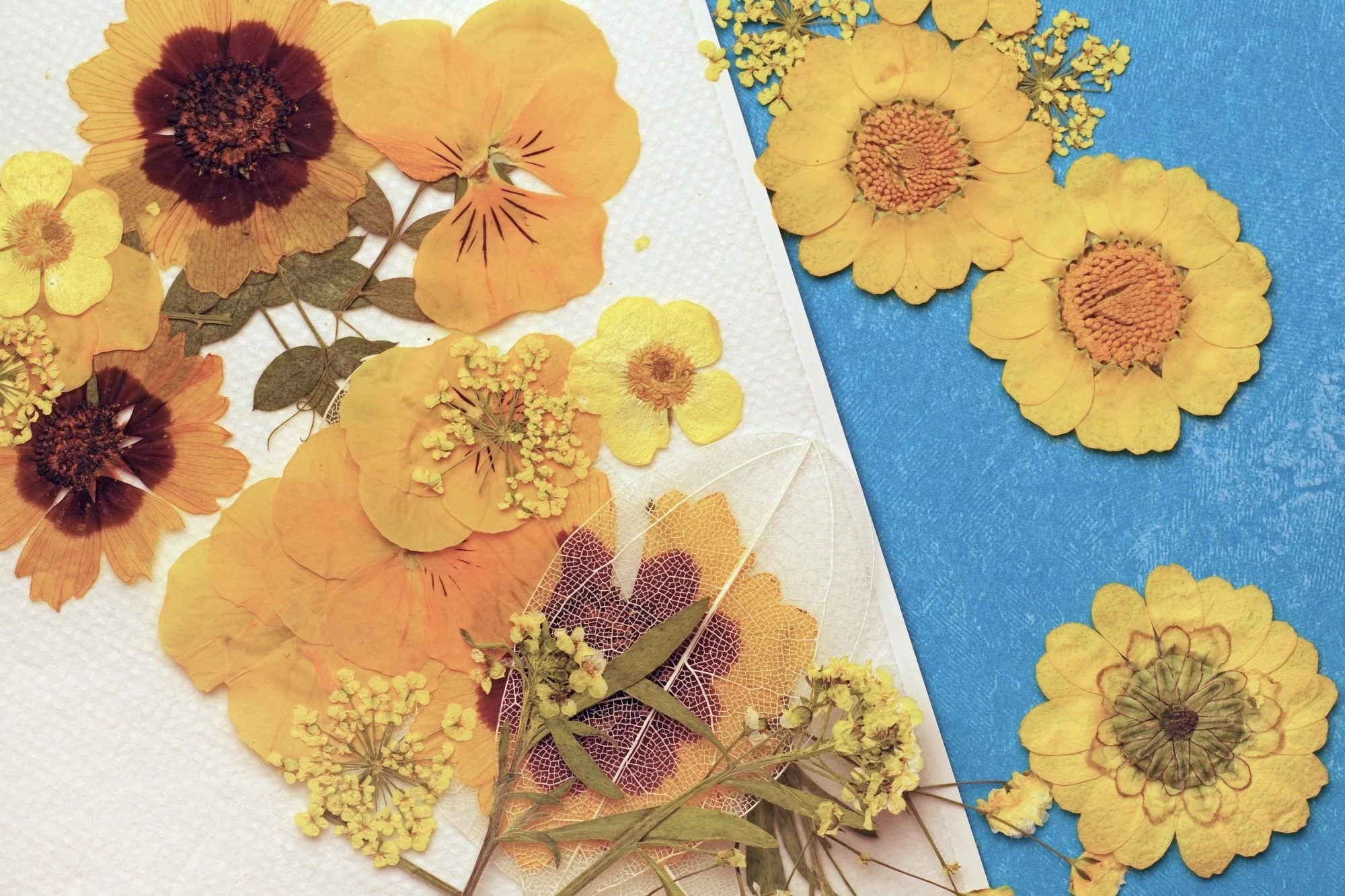
Pressing flowers is one of the easiest and most efficient ways to preserve flowers, especially for flatter designs.
How to press flowers:
Place simple, flat flowers between sheets of scrap paper.
Weigh them down with heavy books.
Leave undisturbed for at least one week.
Pressed flowers often retain their colour beautifully. While they may feel dry after a week, it’s best to allow around 3 weeks before using them for projects. If unsure, leave them for an extra week or two to be safe.
Pressed flowers work particularly well for cards, frames, and decorative resin designs.
Final Thoughts on Drying Flowers
There are many ways to dry flowers and foliage, and the best method depends on how you plan to preserve or display them long-term.
Pressed flowers are ideal for artwork and flat designs
Air drying and silica gel work well for resin pieces, frames, and vases
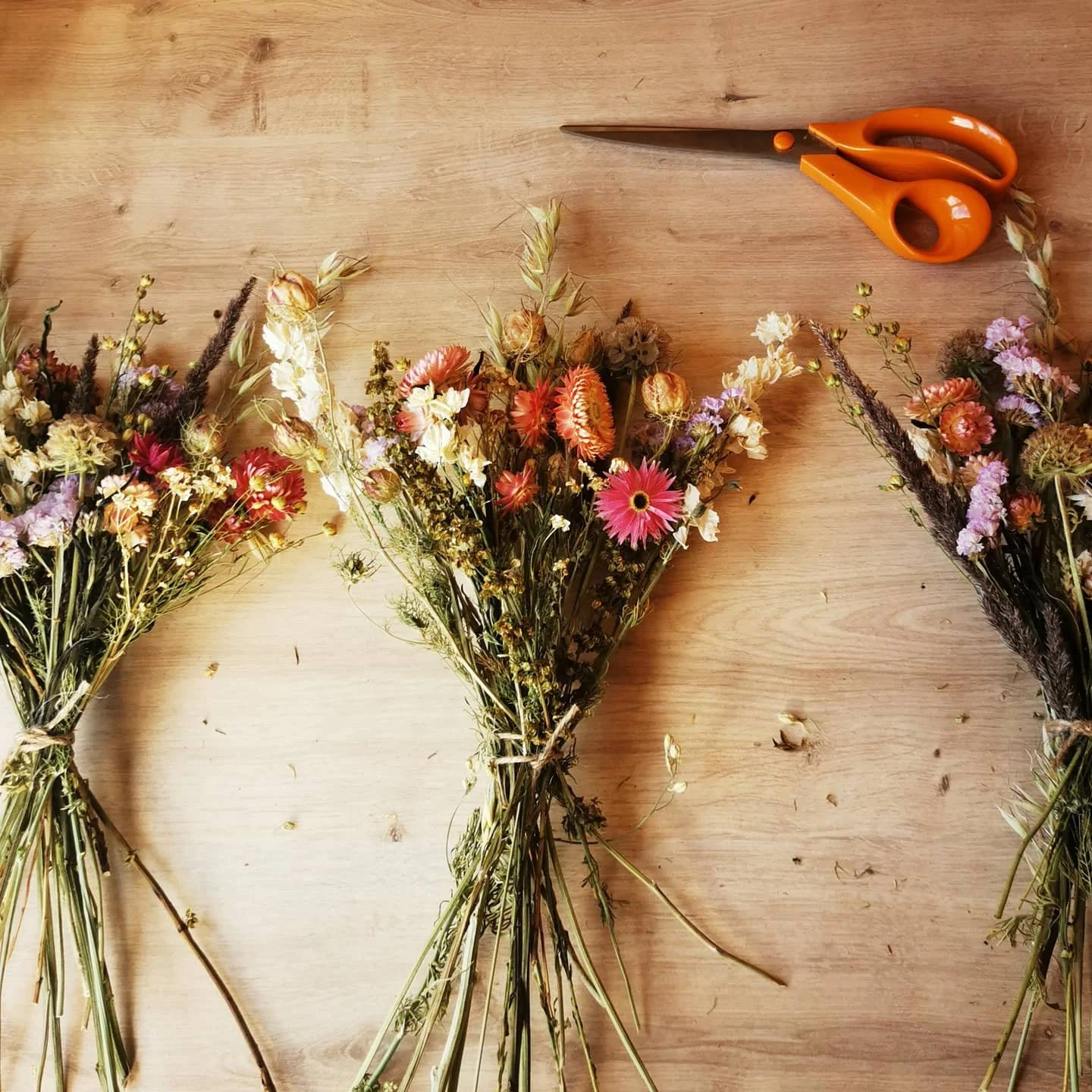
Even simple dried arrangements can make beautiful home décor
Experiment, see what works best for your space, and enjoy the process. You’ll develop your own rhythm, learn along the way, and create some truly meaningful preservations.
If you ever need advice or would prefer your flowers professionally preserved, I’m always happy to help.